When watchmaking meets world timekeeping

Modern life depends on timing so precise we barely notice it. Whether a phone locates you through Galileo, Europe’s satellite navigation system, or telecom networks sync millions of calls each second, these systems work because they refer to extremely accurate atomic clocks. In 2025, Rolex extended its century-long pursuit of precision into global timekeeping by creating Rolex Quantum in Neuchâtel, Switzerland, an independent company focused on building optical atomic clocks for such services. These clocks also help Rolex make sure its watches keep perfect time. 

The science behind optical clocks

Rolex Quantum
© Rolex / Fred Merz

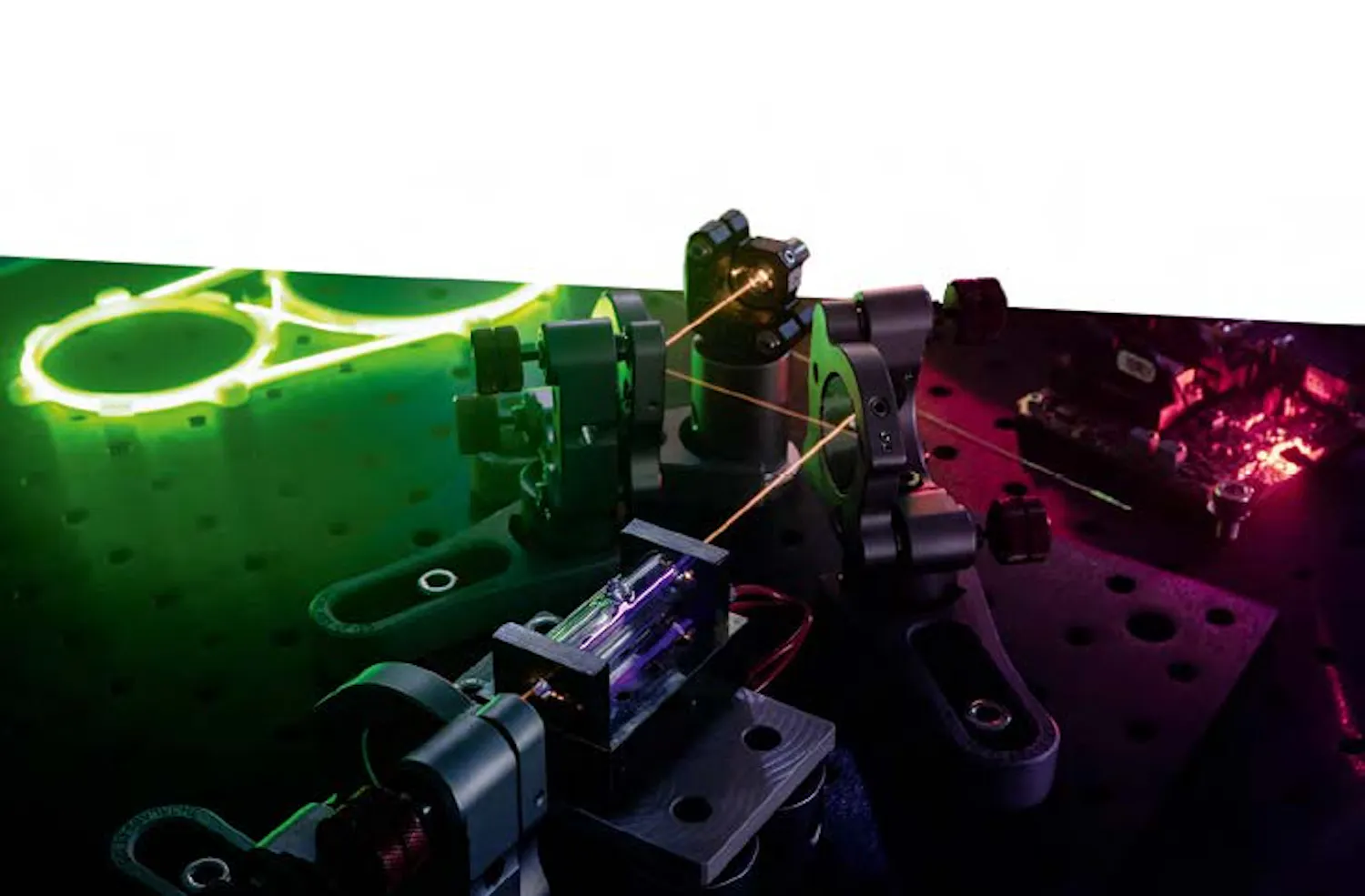
Atoms behave like tuning forks that never go out of tune. In an optical atomic clock, a laser is matched to that atomic note. If the laser slips even slightly, the atom pulls it back into place, keeping every “tick” steady. This built-in correction makes optical clocks some of the most reliable timekeepers ever created, a backbone for the systems Rolex Quantum aims to support. 

This ambition shaped Rolex Quantum’s origins in a years-long collaboration with CSEM and its engineers. Together they were able to turn early prototypes into tested technology building bricks, the hard work that turns lab ideas into reliable tools. This effort led to a dedicated technology transfer and to a company ready for industrial production. 

A Swiss ecosystem for precision

Rolex Quantum’s location reinforces that goal. Just steps from the historic Neuchâtel Observatory and close to CSEM’s activities, it brings people and expertise together in a place where Swiss timekeeping has developed for generations. The company is directed by Fabien Droz, a former leader in instrumentation at CSEM. “This new company was created following an excellent collaboration between Rolex and CSEM to develop a new generation of atomic clocks. Photonics is at the heart of this development, and CSEM experts have risen to the challenge with flying colors,” he says. The result is a local ecosystem with global reach, blending heritage, national timekeeping coverage, industrial excellence and research. 

Lasers
© Rolex / Fred Merz

How Switzerland keeps the world on time

Regional concentration feeds directly into Switzerland’s role as timekeeping nation. The Federal Institute of Metrology (METAS) maintains the country’s master clock and sends that data to the Bureau International des Poids et Mesures (BIPM) in Paris, where timing information from around the world is combined to create Coordinated Universal Time (UTC). UTC is the global reference that keeps navigation, telecom networks and financial systems aligned. By providing ultra-stable optical clock “ticks,” Rolex Quantum strengthens Switzerland’s contribution to this system and ensures that Switzerland’s culture of precision supports global needs. 

A partnership that sets standards

CSEM supplied the expertise to build optical clocks for industry. In turn, Rolex built on that foundation to establish Rolex Quantum, reinforcing Switzerland’s place in global timekeeping and setting a new benchmark in precision. 

Looking to turn quantum potential into industrial reality?

Visit CSEM’s quantum technologies section to see how we develop atomic clocks, quantum sensors, and enabling technologies ready for deployment in demanding environments. Or contact us through our form to start the conversation.