CSEM corporate highlights 2025
Smarter sustainable energy with Tonio Buonassisi
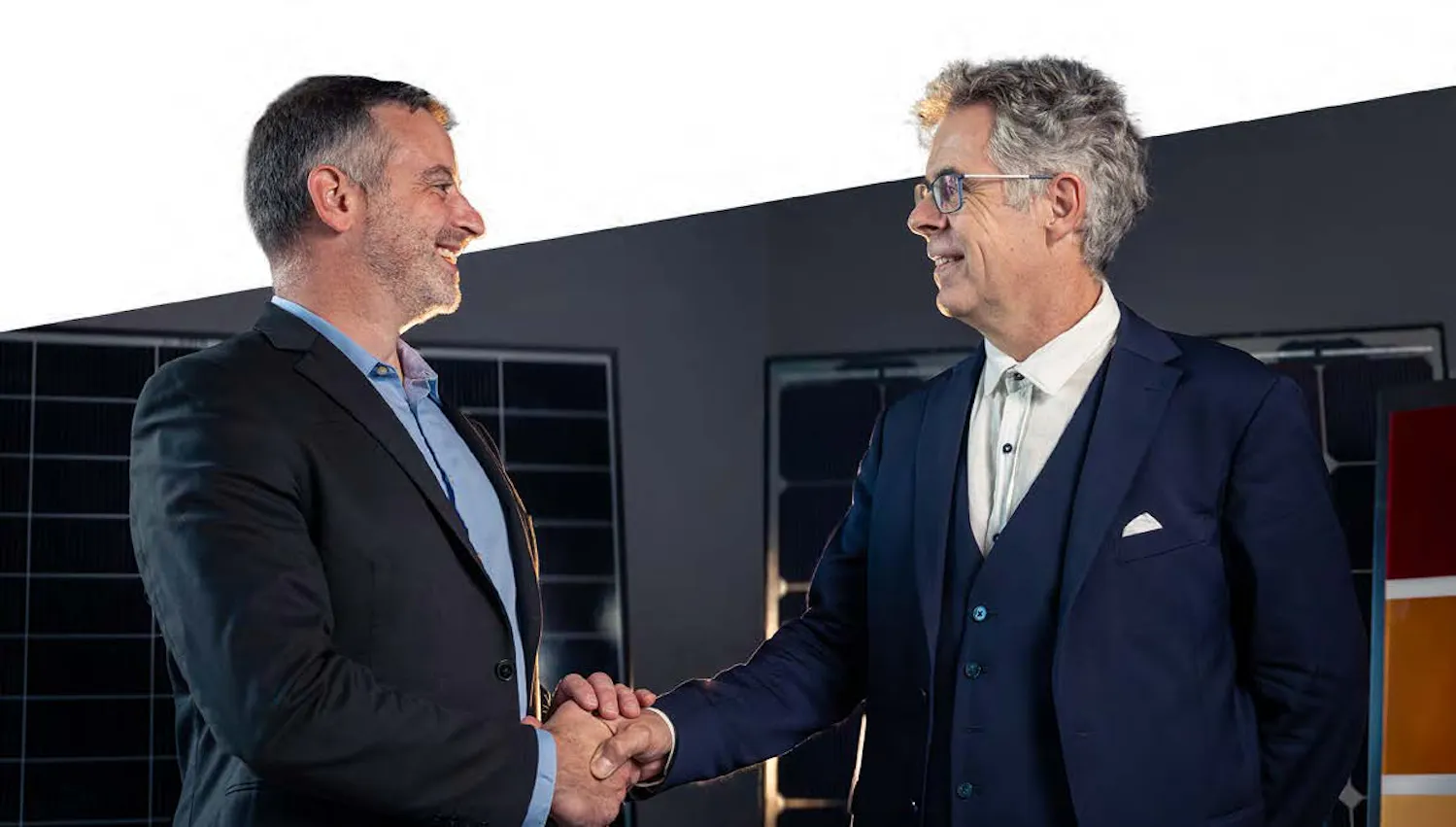
As the world moves toward a cleaner, smarter energy future, CSEM is reshaping how sustainable technologies reach the market. On January 1, 2026, MIT Professor Tonio Buonassisi, a global expert in solar energy, artificial intelligence-driven materials discovery, and data-based energy systems, will become Vice President of Sustainable Energy. He will succeed Professor Christophe Ballif, who will continue to support CSEM as Scientific Advisor.
This leadership transition marks a new step for CSEM. The organization is combining Swiss engineering excellence with artificial intelligence, automation, and faster innovation cycles. The goal is clear: to shorten development times in photovoltaics, energy storage, and energy management so that industrial partners can bring advanced products to market sooner.
Buonassisi’s approach focuses on AI-enabled automation, smart use of data, and real-time experimentation. By building these tools directly into research, CSEM aims to cut the time it takes to move from laboratory concepts to industrial implementation via technology transfer, while maintaining high standards of precision and quality. Partners gain earlier access to validated solutions backed by data, which strengthens scalability and investor confidence. “My mission is to move faster where it truly matters,” Buonassisi says. “We are combining human ingenuity with the power of AI and automation to create an applied research ecosystem that continuously learns and improves.”
Since 2013, Christophe Ballif has led CSEM’s Sustainable Energy activities through a period of remarkable growth. He has expanded the team to more than 90 researchers and worked with over 60 industrial partners on technologies ranging from colored and ultra-light solar modules to record-breaking solar cells, from novel battery materials to advanced predictive maintenance and forecasting for energy assets and grid operation. “Our strength has always been rigor with real-world impact,” Ballif notes. “As I move into my advisory role, I am proud to see CSEM evolve with new tools and speed that carry our collaborative spirit forward.”
Neuchâtel remains the center of this transformation, with advanced laboratories, pilot production lines, and data systems working together as an integrated ecosystem. Since 2025, CSEM’s battery infrastructure has also included a controlled-humidity dry room with a pilot line and space for start-ups and SMEs. This environment helps transform concepts into industrial-grade battery modules, storage prototypes, and digital energy solutions more quickly.
Pulsespeed powers next-gen wearables
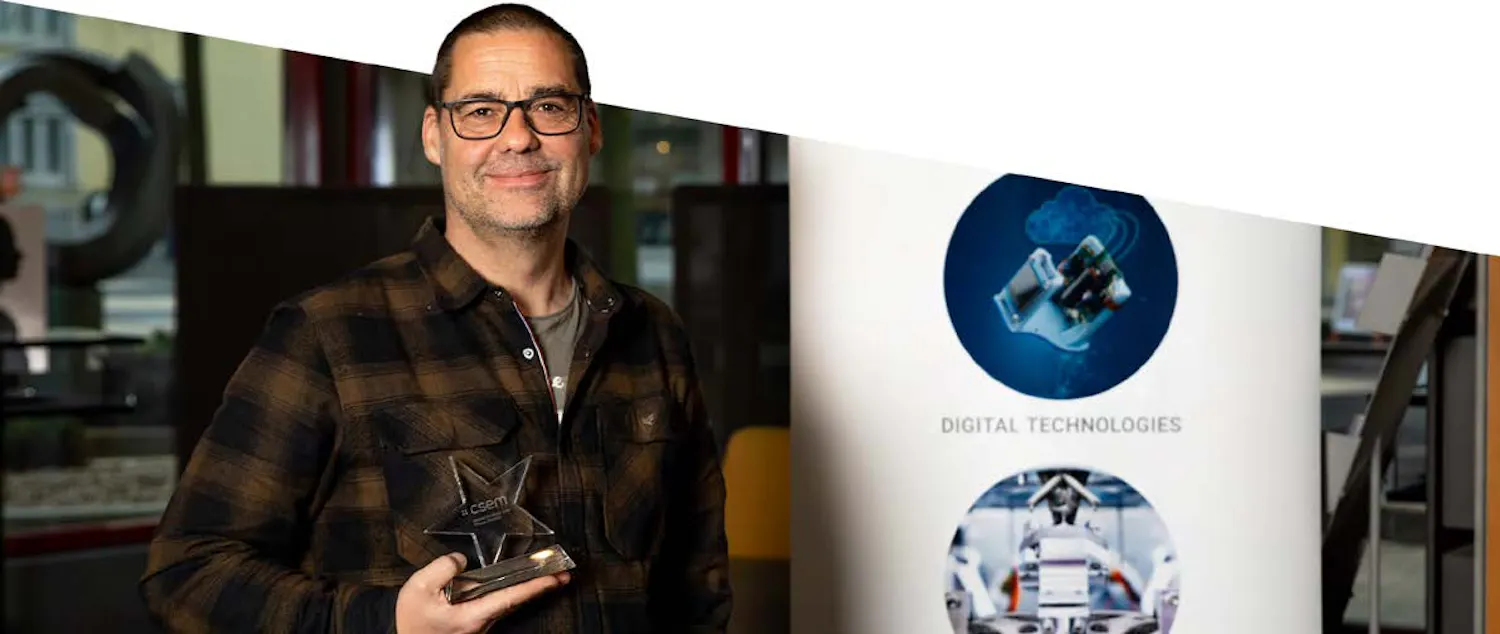
For more than twenty years, CSEM has advanced wearable technologies that combine tiny sensors, signal processing, and artificial intelligence. That journey reached a new milestone with PulseSpeed, a patented algorithm developed by Philippe Renevey with early contributions from Olivier Grossenbacher and honored with the 2025 CSEM Inventor Award.
PulseSpeed determines heart rate, heart-rate variability (a metric used to determine stress levels), type of movement, speed, and distance without using GPS-based tracking. It enables accurate tracking indoors, in tunnels, and in other locations where GPS signals are not available, while extending device battery life and building on CSEM’s clinically validated sensing expertise.
First patented in 2014, and grounded in a pioneering CSEM patent that helped spark, in 2001, the wrist‑sensing capabilities found in many wearable devices, PulseSpeed fuses optical signals that measure blood flow with motion sensors to deliver consistent, clinically informed results across activities such as walking, running, and cycling.
Market uptake confirms its value. In the past year, several wearable devices have incorporated this technology, including products from Tissot, Festina, and ActiGraph. This reflects demand from both lifestyle users and clinical research. Such collaborations show how CSEM’s clinically validated algorithms and sensor know-how translate from laboratory research into commercial products and features that users trust every day.
Renevey develops algorithms that are not only energy efficient and highly accurate but can also run on different types of hardware without major changes. PulseSpeed results from decades of research aimed at extracting meaningful information about movement and vital signs from non-invasive sensors. It now powers devices worn by consumers, athletes, and clinical study participants around the world. “This patent embodies everything CSEM stands for: transferring innovative technologies to industry to create maximum economic and societal impact,” says Jens Krauss, Vice President MedTech at CSEM.
As adoption grows, PulseSpeed illustrates CSEM’s way of working with partners. The organization co‑creates, tests, and transfers new solutions, readying them for industrial use. By delivering clinically validated, energy-saving algorithms that run directly on the device, the company helps partners accelerate product development, strengthen user trust, and turn proven research into durable products.
Basel sets the stage in health innovation
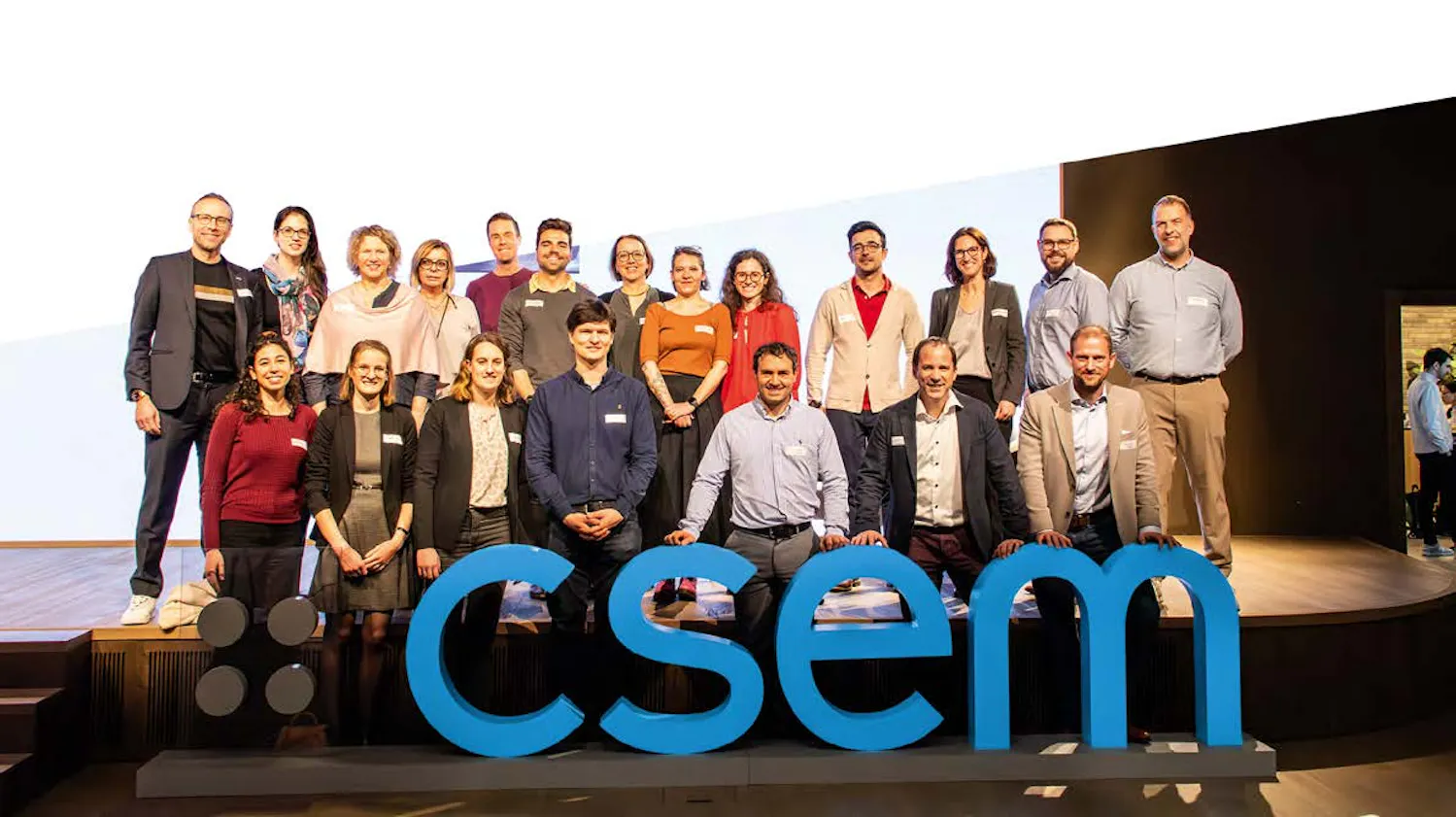
Basel became a focal point for human Microphysiological Systems (hMPS) when CSEM hosted the 4th edition of its Next-Gen Organ-on-Chips & Organoids Workshop in February at the Haus der Wirtschaft in Pratteln. Nearly 400 professionals from biopharma, biotech, and technology companies gathered as CSEM brought together a community committed to turning promising science into usable platforms. hMPS are small, lab-grown models of human organs that allow medicines to be tested more safely and efficiently, linking biology, microtechnology, and digital tools to make experiments more rigorous, reproducible, and easier to adopt.
The Basel region was chosen deliberately. As one of Europe’s largest life sciences hubs, with many companies and research groups, it offers the talent and infrastructure needed to move from early prototypes to qualified platforms. It is also a place where standards can take shape, incentives can align, and new technologies can scale.
The program focused on translation, the concept of turning early research into tools that can be used in real settings. Topics such as automation, quality control, and data integration are essential for bringing organoids and organ-on-chip systems into regulated medical environments. Senior decision-makers, SMEs, and start-ups worked side by side, reflecting CSEM’s role as a convenor bridging disciplines and shortening time to adoption. “Our role is to connect industry, innovators, and clinicians, align on what ‘qualified’ means, and remove barriers so these systems deliver value in real settings,” says Gilles Weder, Head R&BD, Life Science Technologies, CSEM.
Keynotes from Dr. Fanny Jaulin, CEO at Orakl Oncology and Research Director at the Gustave Roussy Institute in France, and Dr. Jürgen Knoblich from the Institute of Molecular Biotechnology in Austria added international perspective to strong local momentum. Their contributions reinforced why Switzerland, and Basel in particular, is well placed to scale these technologies. Scientific Committee member for the event Stéphanie Boder Pasche emphasized that integrating organ-on-chips and organoids into drug development is not only a scientific achievement but also a manufacturing and data challenge that requires automation, quality, and interoperability.
Support from major sponsors and an exhibition combining established players and young companies underlined CSEM’s commitment to open knowledge-sharing. The workshop confirmed CSEM’s leading role in advancing hMPS, connecting key stakeholders, and laying the foundations for future breakthroughs in personalized medicine and drug discovery.
Inside CSEM's solar lab
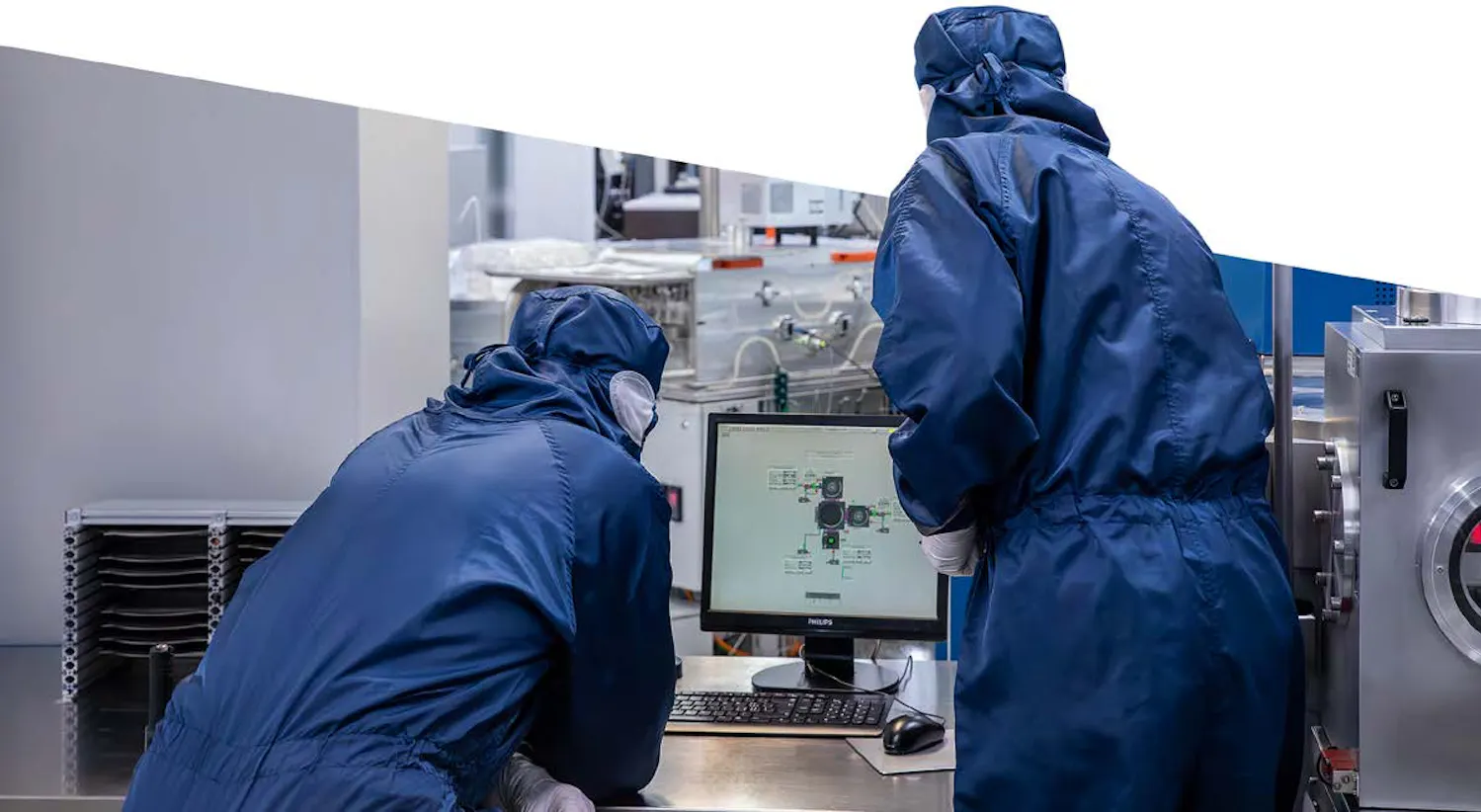
Neuchâtel’s Innoparc offered a different kind of energy in May, when CSEM’s Solar Lab opened its doors to decision-makers and the press. The half-day program combined forward-looking presentations, hands‑on demonstrations, and direct discussions with experts. The event created a clear link between innovative research and solar solutions that are ready for industry.
At the heart of the event was an outlook on the future of photovoltaics presented by Professor Christophe Ballif, one of Switzerland’s leading solar energy experts. He highlighted CSEM’s central role in accelerating the industrial use of solar research so that groundbreaking laboratory innovations can become scalable, cost-effective, and reliable applications. This message prepared participants for a guided exploration of the full development journey, from research to market-ready products.
The Solar Lab’s guided tour format gave participants a first-hand view of CSEM’s end-to-end solar capabilities at five specialized stations. These included the newly upgraded cleanroom, which is now compatible with G12 solar cells, the latest larger-size format that enables more powerful and efficient panels.
“A defining feature of the Solar Lab event was its focus on personalized engagement to foster direct dialogue and focused technical discussions. Following the station tours, guests had the opportunity to participate in one-to-one consultations with CSEM’s engineers, researchers, and project managers,” said Michael Canonica, Deputy Business Unit Leader of CSEM’s Sustainable Energy activities. These sessions enabled tailored discussions on project feasibility, budget options, and implementation timelines. Visitors left with clear next steps for their solar initiatives.
Beyond showcasing technical capabilities, the Solar Lab event served as a strategic visibility platform for CSEM’s photovoltaic activities. As new projects grow from the relationships formed during the event, CSEM continues to turn vision into value. The objective is to ensure that Swiss solar innovation translates into industrial reality: efficient, reliable, and competitive worldwide.
Empowering regional innovation
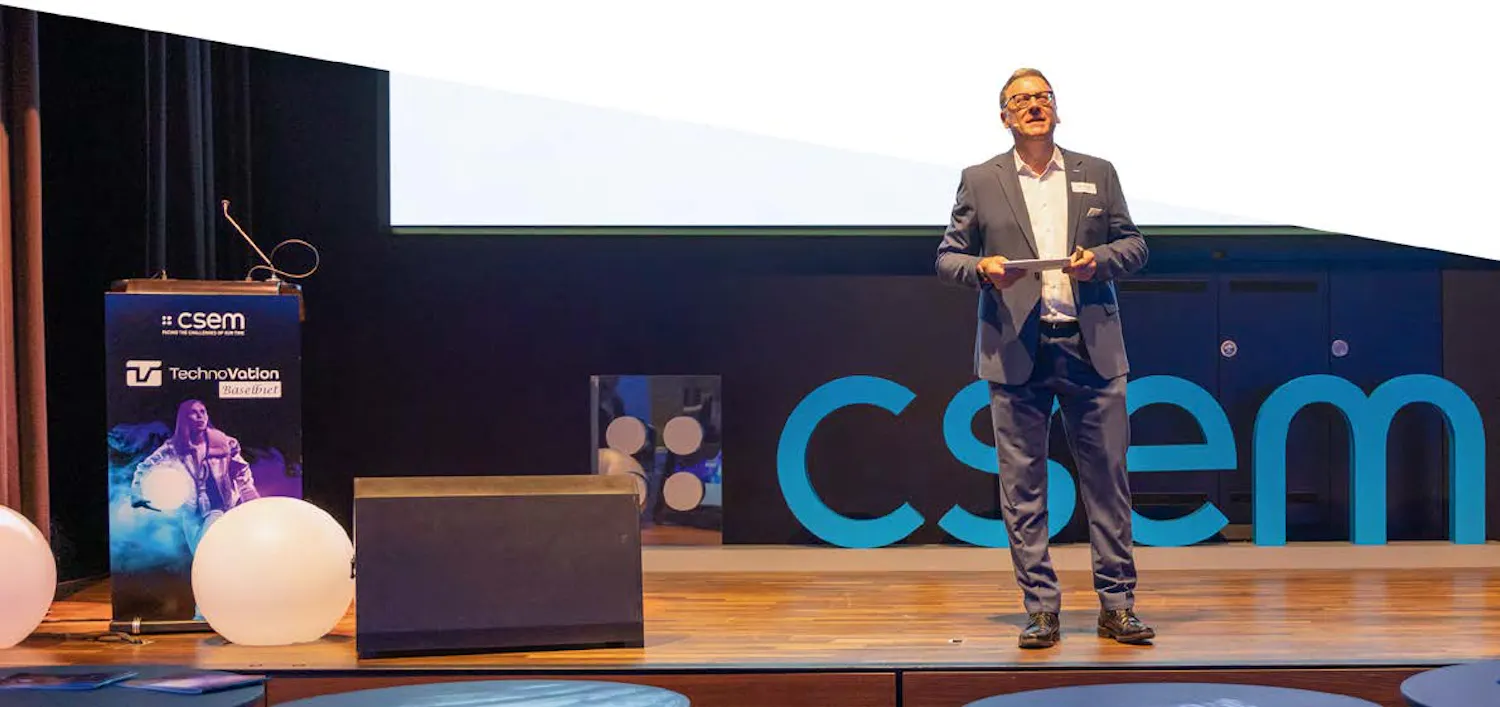
In 2025, CSEM’s TechnoVation series reinforced its role as a catalyst for regional innovation. The series brought together Swiss industry, policymakers, researchers, and entrepreneurs in two strategically chosen locations: Lucerne and the Basel region.
TechnoVation Lucerne, held at the KKL on May 21, 2025, offered Central Switzerland a broad view of technologies shaping its economic future. Sessions highlighted next-generation battery systems, personalized medicine, and Industry 4.0. The event showed how CSEM’s research supports regional industries in practical ways. Interactive demonstrations made emerging technologies tangible, while keynotes, including one from deep-tech entrepreneur Reto Wyss, illustrated a powerful story: artificial intelligence developed at CSEM Alpnach, commercialized around the world, and now returning to strengthen Swiss manufacturing. The presence of government representatives increased the visibility and impact of the event across the region.
TechnoVation in the Basel region, hosted on November 17, 2025 at the Elefantehuus in Liestal, delivered a complementary message. Innovation must be rooted where it creates value. The event highlighted the area’s dual strengths in life sciences and high-precision manufacturing. Contributions from Roche, Hamilton, and regional SMEs, such as Renata Batteries, Hatebur Umformmaschinen and CTC Analytics, showed how new technologies are changing diagnostics, production processes, and global competitiveness. For political leaders, the event made CSEM’s contribution clear, demonstrating how its research, networks, and partnerships translate into concrete economic potential for the region.
Across both editions, the benefits were similar: deeper partnerships, broader networks, and reinforced trust in CSEM as a technology partner that not only delivers solutions but also connects key actors across Switzerland. The 2025 TechnoVation series affirmed CSEM’s central role in helping regions innovate with confidence, clarity, and long-term impact.
Recognition elevates CSEM's solar vision
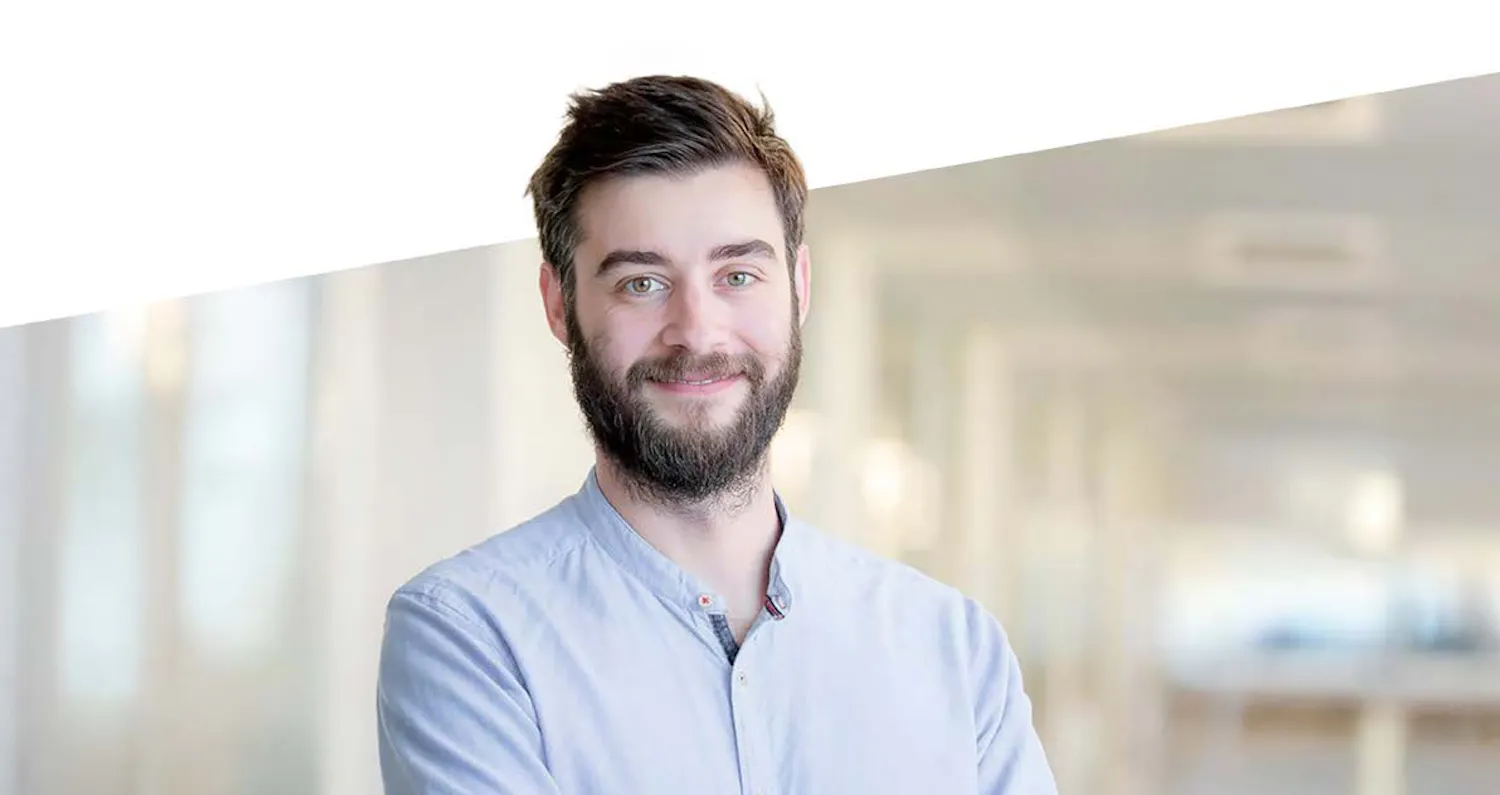
CSEM’s global scientific standing was further strengthened in 2025 with the recognition of Dr. Michele De Bastiani as a Clarivate Highly Cited Researcher™ in the Cross-Field category. This list identifies scholars whose work ranks among the top one percent by citations in the Web of Science™ Core Collection, placing them among the most influential researchers worldwide. The honor reflects the past eleven years of Dr. De Bastiani’s scientific career across several leading institutions, including contributions made before he joined CSEM.
Several other CSEM experts are also represented on the Clarivate Highly Cited Researcher™ list. Among them are Prof. Christophe Ballif, CSEM’s current Vice President Sustainable Energy, and Prof. Tonio Buonassisi, who will succeed him in the role in 2026. Their presence underlines the strong scientific foundation supporting CSEM’s Sustainable Energy activities.
Today, Dr. De Bastiani plays a key role in CSEM’s photovoltaics research. He works on high-efficiency perovskite silicon tandem solar cells and new device designs that bring record-setting laboratory concepts closer to industrial-scale deployment. This work builds on CSEM’s long-standing leadership in tandem technologies and on shared efficiency milestones achieved with EPFL.
For CSEM, this recognition is both a personal milestone for Dr. De Bastiani and a collective success for the broader research team. It highlights the strength of the perovskite group, whose collaborative approach accelerates the journey from fundamental discoveries to industry-ready innovations. It also reflects a central principle of CSEM’s strategy: excellent science is essential to develop technologies that bring real value to industry, society, and the energy transition.
Dr. De Bastiani’s inclusion in the 2025 Clarivate Highly Cited Researcher™ list confirms the global reach of his work and reinforces CSEM’s position at the forefront of next-generation solar research.
Uniting Europe's space community
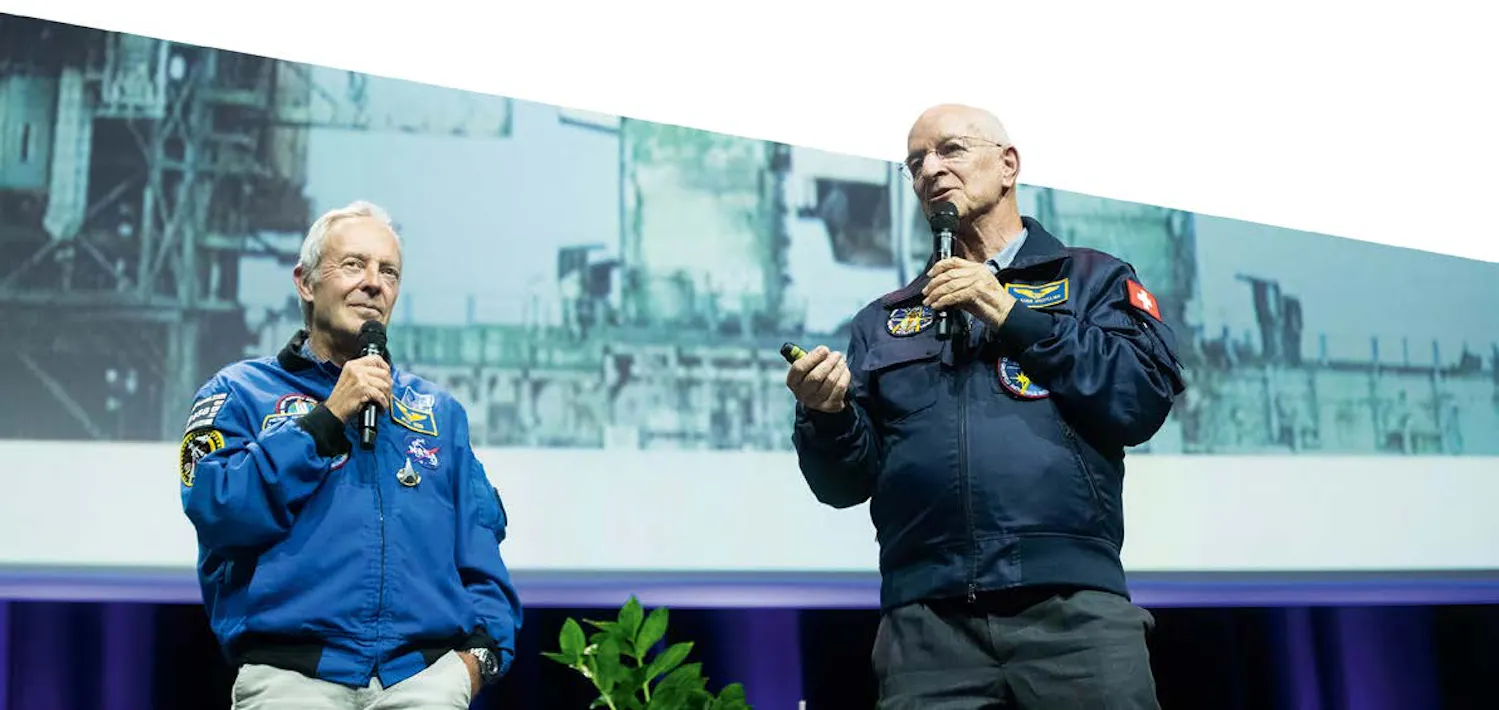
Space missions depend on many small mechanisms that must work perfectly, even millions of kilometers from Earth. The European Space Mechanisms and Tribology Symposium (ESMATS) has become a leading forum where the international space community discusses how these mechanisms should be designed, tested, and improved. In 2025, CSEM helped advance this conversation by co-organizing the symposium in Lausanne and welcoming a record 350 specialists from 25 countries.
The symposium explored the systems that deploy antennas and solar panels, steer instruments with extreme precision, and keep them operating for years in the vacuum and temperature extremes of space. By hosting this community in Switzerland, CSEM supports the development of shared engineering standards, encourages technology transfer, and strengthens Europe’s capacity to build reliable, long‑duration spacecraft.
Co-organizing ESMATS with ESA, EPFL, and Almatech reflects more than thirty years of CSEM contributions to missions for ESA, NASA, and other major observatories. High-precision mechanisms, lidars, and control algorithms developed at CSEM have already proven their reliability in orbit and in deep-space environments. The symposium also reinforced partnerships with agencies and industrial leaders that rely on precision engineering to achieve both scientific and commercial goals.
According to Eleonore Poli, Business Development Specialist Space and Aeronautics, CSEM: “Events like ESMATS create a rare space where engineers, scientists, and mission leaders can openly discuss what works, what fails, and what must evolve for future missions. This collective exchange is essential to keeping Europe at the forefront of space mechanisms.”
By welcoming ESMATS to Switzerland, CSEM strengthens the country’s role in precision space engineering and advances its mission to turn research into technologies that create lasting value for industry and society.
CSEM's Digital Journey award winner 2025
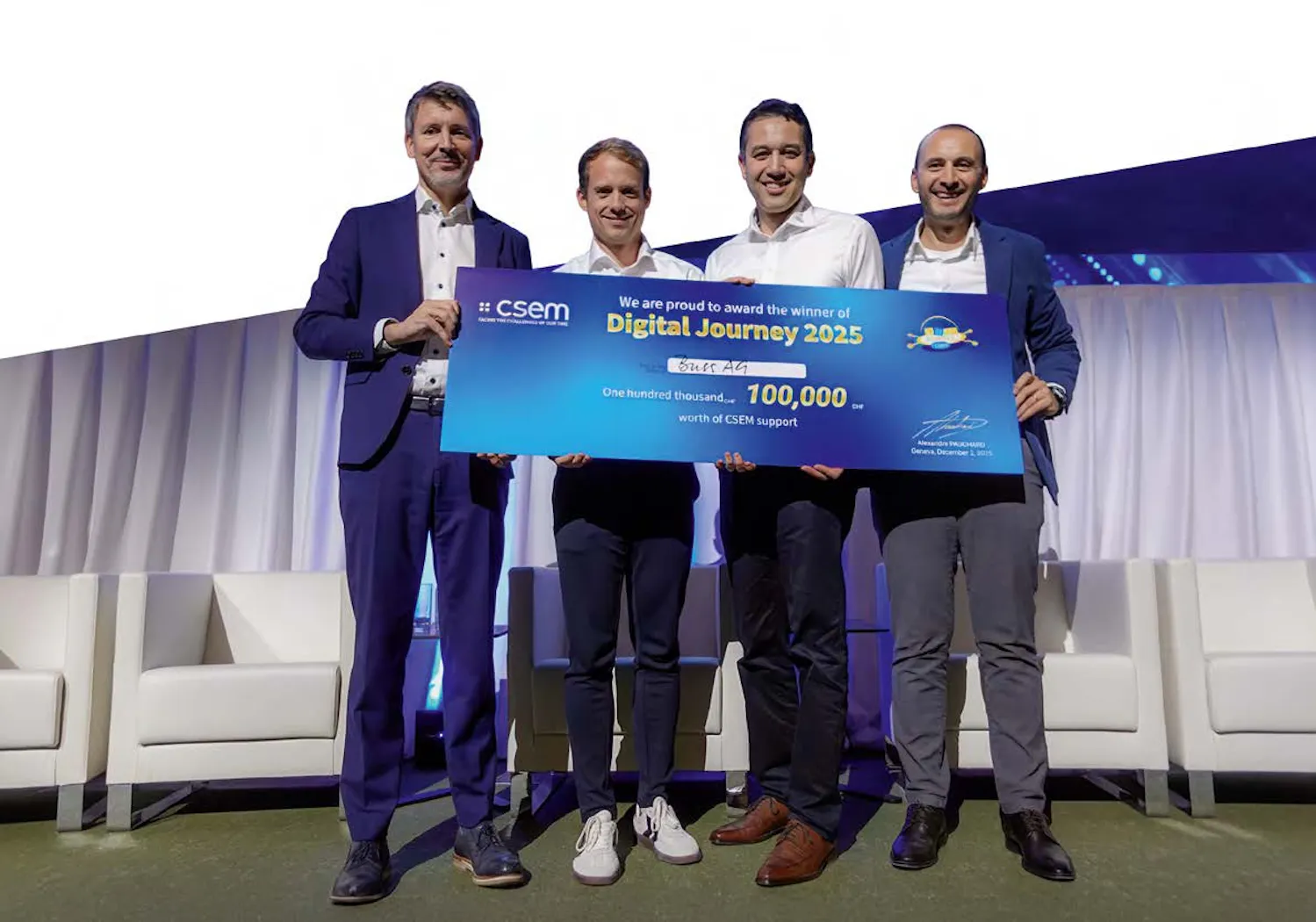
In 2025, BUSS gained recognition as a Swiss SME advancing digital manufacturing with new data-driven tools. The Pratteln-based company, known globally for its expertise in high-performance plastics mixing, won CSEM’s Digital Journey Award 2025. The program supports Swiss SMEs in accelerating their digital transformation and provides up to 100,000 Swiss francs in development and technology-transfer time from CSEM. The award was presented on December 2, 2025 during Trust Valley Day, an event focused on digital trust and innovation.
BUSS received the award for its Predictive Quality project, which will enhance the company’s existing SenseHUB® platform. SenseHUB® already connects BUSS machines and shows how equipment is performing in real time. With CSEM’s support, BUSS is now extending this capability by adding additional sensors and AI that can interpret production information such as temperature, pressure, and machine speed. The goal is to estimate product quality while production is still running. This will help manufacturers spot issues earlier, reduce waste and energy use, and bring new product formulations into production more efficiently.
“BUSS is a great example of how an SME can turn deep process know-how into smart, data-driven services. Their Predictive Quality project reflects the spirit of the Digital Journey,” said Alexandre Pauchard, CEO, CSEM.
The Digital Journey Award continues to highlight how CSEM helps SMEs move from digital concepts to practical, industry-ready solutions. Previous winners have already transferred their ideas into real-world use, confirming the program’s value across the Swiss innovation landscape. Looking ahead, BUSS expects the collaboration to open a new chapter in its service offering. As Victor Callegari, Head of Business Development and Innovation at BUSS, concludes: “This collaboration is an opportunity to turn predictive quality into a meaningful new service for customers worldwide while keeping development firmly rooted in Switzerland.”